


Contents2 sections
For any lifting task, you need to select a chain hoist capacity in the UK. However, if a hoist is weak, then it will pose a risk to public safety. If it is overly strong, then you risk overspending or damaging smaller loads. But at The Ratchet Shop, you can get reliable lifting chains and hooks that safely and effectively fit a variety of workloads.
Smoother operations are ensured when you know what you need according to your load and match it with the appropriate lifting equipment. This article will teach you how to calculate the proper chain hoist capacity and which parts to use for your job.
Your Guide to Calculating the Correct Chain Hoist Capacity
Identify Your Load Weight and Application
Finding out the accurate weight of the object you are lifting is the first step. Overestimating may result in the use of larger equipment. On the other hand, underestimating increases the possibility of mishaps and equipment damage.
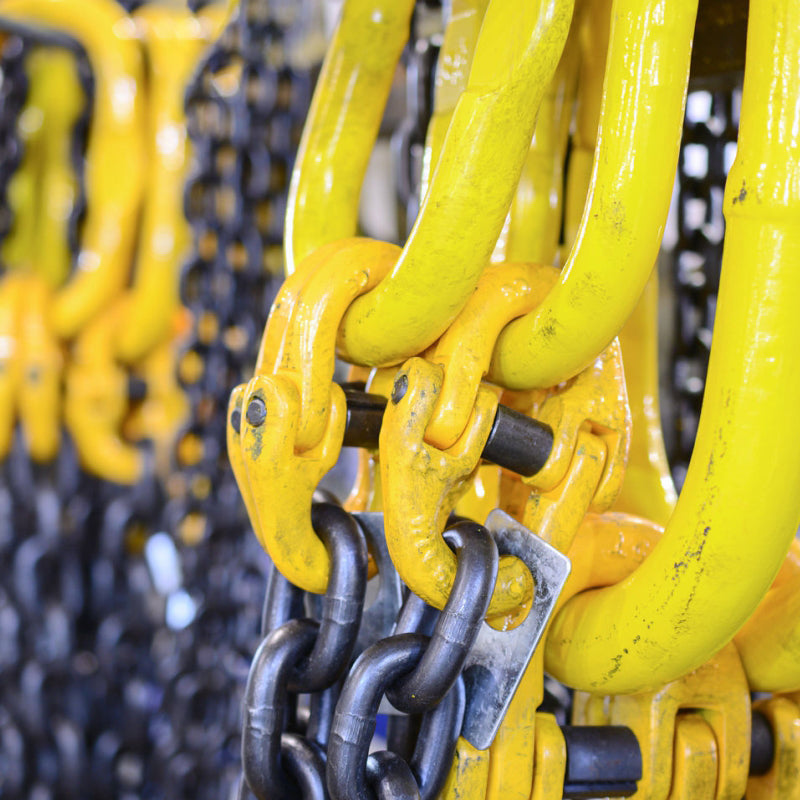
Using Grade 80 lifting chains is a wise decision if your job is in a construction or warehouse environment. These are resilient to damage, quite strong, and flexible. They are also perfect for fastening, towing, and lifting large objects.
Most importantly, the Clevis Forest Hook from The Ratchet Shop is made for managing outdoor conditions and pulling logs, making it ideal for anyone working in forestry or logging. Thus, its design makes it ideal for demanding jobs in which you require a chain hoist capacity that is both durable and flexible.
Tip: This Clevis Forest Hook is easy to use as compared to other hooks because of the simple hooking and removal process. So, you can attach this hook with a grade 80 lifting chain to make your hoisting stress-free.
Choosing the Right Hook for Load Handling
The hook you select has an impact on handling load capacity as well. The Ratchet Shop offers a variety of hooks kinds that fulfil distinct purposes based on the workload.
An eye sling hook is a good tool for general lifting. It has a lock that keeps everything in place by preventing the load from slipping.
Furthermore, the Eye Self-Locking Hook is perfect if you require a hook that locks automatically upon lifting. When handling larger loads, it provides an additional degree of safety during horizontal lifts.
Not only that, but you can also choose Clevis C Hooks because they provide greater flexibility in some circumstances, particularly when dealing with loads that are varied or irregularly shaped.
Although they enable fast connection and disengagement, and stability of load weight, you should still carefully consider when using them.
Assess the Chain Size for Your Hoist
The chain hoist load capacity in the UK is determined by its thickness. Generally speaking, higher loads may be supported by thicker chains. Chains in sizes such as 7mm, 8mm, 10mm, 13mm, and 16mm are available at The Ratchet Shop and are all composed of premium alloy steel.
For instance, medium-sized goods are frequently lifted by using an 8mm Grade 80 lifting chain. In the meantime, larger machinery or industrial equipment might benefit more from a 10mm chain or a 16mm chain.
It's crucial to avoid using chains of low quality for lifting. Make sure that the capacity of the chain and hook match at all times.
Compatibility Between Components Matters
Chain lifting capacity is not only about the chain itself but also about its components, as well. It includes eye hooks, chain connections, clevis sling hooks, and many more. Every component needs to fit together correctly and have a comparable strength rating.
For example, Clevis Sling Hooks are perfect for fast setup and breakdown because of their easy connection to chain links. They must work with the chain's strength rating and diameter.
There might be failure in hoisting if the hook doesn’t appropriately match the strength of the lifting chain. In order to assist people in making the proper decision, The Ratchet Shop describes each product along with its capacity and ideal use case.
Safety Always Comes First
Safety should always come first when choosing a chain hoist load capacity in the UK. Each component needs to meet safety regulations and undergo proof-testing. All of The The Ratchet Shop's lifting chains are composed of strong, dependable Grade 80 steel and adhere to EN 818-2 standards.
Moreover, chains and hooks should always be inspected before use. When overused or mistreated, even the most powerful equipment might malfunction. Equipment life is increased, and accidents are avoided with routine maintenance and visual inspections.
Most importantly, accidental drops can be avoided by using hooks with safety catches or self-locking hooks. This is especially crucial when lifting delicate equipment.
The Backbone of the Topic: Key Highlights
- Know the exact weight of the load you plan to lift.
- Choose a chain hoist rated higher than your maximum load weight.
- Use Grade 80 lifting chains for heavy-duty and industrial tasks.
- Match the chain diameter and size to the required lifting capacity.
- Select hooks (e.g., self-locking or sling hooks) based on load type and safety needs.
- Ensure all components, like chain, hook, and hoist, are compatible and equally rated.
- Consider environmental factors like moisture, heat, or outdoor use.
- Inspect your equipment regularly for wear, damage, or corrosion.
- Follow EN safety standards for lifting equipment.
- Get expert advice if you're unsure about capacity or compatibility.
What are the questions that people have for The Ratchet Shop?
How can I select the chain hoist capacity in the UK?
To select a chain hoist capacity in the UK, start by checking the exact weight of the load you’ll lift. Then, select a hoist that can safely handle that weight. It’s best to choose one with a slightly higher capacity to ensure safety and smooth operation.
What happens if I use a chain hoist with too little capacity?
Using a hoist with a lower capacity than needed can be dangerous. It may damage the equipment, cause the load to fall, or lead to serious injury. Always make sure your hoist matches or exceeds your lifting needs.
Does the size of the chain affect lifting capacity?
Yes, chain size matters. Larger chain diameters can carry heavier loads. For example, at The Ratchet Shop, Grade 80 lifting chains in 10mm are stronger than 7mm chains. Always use chains that match your load weight and hoist system. Thus, following a proper chain hoist size guideline ensures you choose chains that match your load weight and hoist system.
Can I mix different hooks and chains with my hoist?
No, it’s not safe to mix components with different ratings. All parts, chains, hooks, and connectors must be compatible and rated for the same load capacity. Mismatched gears can fail during lifting.
What kind of hooks should I use with my chain hoist?
The type of hook depends on your task. Eye sling hooks are good for general lifting, while self-locking hooks offer extra safety. Clevis hooks are quick to attach to chains. Always choose hooks that match your chain and hoist capacity.
Conclusion
If you're looking to select chain hoist capacity in the UK, then it’s essential to consider not only the weight but also the environment, usage frequency, and appropriate use of chain components as well. For that reason, secure hooks and grade 80 lifting chains are available at The Ratchet Shop.
However, you can lower risk and boost performance by carefully evaluating your application, verifying part compatibility with the strength of the lifting chain. So, choose the accurate lifting chain and its hook and get delivery the next day with ease. You can also contact The Ratchet Shop’s team, and they will guide you to what equipment is best for you based on your load.


