


Contents7 sections
Choosing the right shackle material affects both the safety and the lifespan of your lifting or lashing setup. Alloy steel delivers a higher working load limit for its size, making it the standard choice for heavy lifting and rigging. Stainless steel trades some of that raw strength for excellent corrosion resistance, making it the better option in marine, offshore, and wet environments. The right choice comes down to two questions: how much load you need to carry, and what conditions the fitting will face day to day.
This guide breaks down the material types, strength ratings, corrosion performance, common applications, and safety rules you need to know before you buy.
What Is a Shackle Used For
A shackle is a U shaped or bow shaped connector with a removable pin, used to join a chain, wire rope, or webbing sling to an anchor point or another piece of lifting equipment. It is one of the most common pieces of rigging hardware because it allows two components to be connected and disconnected quickly without cutting or splicing.
Because this connector sits at a load bearing point in almost every lifting or lashing arrangement, the material it is made from has a direct impact on how much weight it can carry and how long it lasts in service.
Material Types: Alloy Steel and Stainless Steel Explained
Alloy steel versions are forged from steel blended with elements such as chromium, molybdenum, or manganese, then heat treated through quenching and tempering. This process gives the metal a dense internal structure that resists deformation under heavy loads. Most alloy steel rigging hardware sold in the UK is manufactured and tested to EN 13889, the European standard for forged steel connectors used in lifting.
Stainless steel versions are typically made from grade 304 or grade 316 stainless steel. Grade 316 contains molybdenum, which improves resistance to chlorides and saltwater, so it is the preferred grade for marine use. Stainless steel components are usually produced by casting or machining rather than the forging and heat treatment process used for alloy steel, which is one reason their load ratings differ.
Both material types are available in two common shapes. A bow style has a rounded body that handles angled and side loads well. A dee style has a narrower body designed mainly for straight, in line pulls. The material and the shape are chosen independently, so a bow or dee shape can be made in either alloy steel or stainless steel depending on the job.
Strength and Load Capacity Comparison
Alloy steel generally carries a higher working load limit (WLL) than stainless steel of the same body size. The heat treatment process used on alloy steel increases tensile strength significantly compared to untreated or lightly treated stainless steel.
As a general guide:
- A certified alloy steel bow connector rated for heavy duty lifting can carry a WLL well above what a stainless-steel version of the same pin diameter can safely hold.
- Stainless steel is commonly rated at a lower WLL for the same size, since the raw material has a lower yield strength before any heat treatment is applied.
- Both materials include a safety factor built into their WLL, usually a ratio of at least 5 to 1 against the minimum breaking load.
- Larger pin diameters increase capacity in both materials, but the gap between alloy steel and stainless steel ratings widens as size increases.
Because of this gap, alloy steel remains the default choice for heavy construction lifts, crane rigging, and towing, while stainless steel is chosen when the environment demands corrosion resistance and the load requirement fits within its lower rating.
Corrosion Resistance: Which Material Withstands Harsh Environments
This is where stainless steel has a clear advantage. Grade 316 forms a passive chromium oxide layer on its surface that continuously protects the metal from rust, even in saltwater or chemical exposure. This makes it the preferred material for coastal work, marine rigging, offshore installations, and food or chemical processing environments.
Alloy steel is usually finished with a hot dip galvanised or zinc plated coating to slow down corrosion. This coating works well in general outdoor and industrial use, but once it is scratched or worn through, the exposed steel underneath can begin to rust. In humid, coastal, or chemically aggressive conditions, an alloy steel component will corrode faster than a stainless steel equivalent of the same rating.
If your rigging hardware is stored or used near saltwater, washdown areas, or outdoor sites with regular rain exposure, stainless steel will last considerably longer with less maintenance and fewer replacements over the life of the equipment.
Applications: Where Each Material Works Best
Alloy steel is best suited to:
- Construction site rigging and crane lifts
- Heavy plant towing and recovery work
- General lifting and lashing where a high WLL is the priority
- Indoor or covered environments with limited moisture exposure
Stainless steel is best suited to:
- Marine rigging, boat fittings, and offshore platforms
- Coastal construction and dockside operations
- Food processing, chemical plants, and washdown environments
- Architectural and decorative applications where appearance and rust resistance both matter
Many riggers keep both material types in their kit and select based on the job at hand, using alloy steel for maximum capacity onshore and stainless steel wherever the connector will face moisture or chemicals.
Safety Considerations When Choosing a Shackle
Whichever material you choose, a few safety rules apply to every piece of lifting hardware.
- Always check the WLL stamped on the body and never exceed it, regardless of how strong the fitting looks.
- Confirm the item is certified to a recognised standard such as EN 13889, with full traceability back to the manufacturer.
- Inspect the pin, bow, and body for wear, deformation, or corrosion before each use, and remove damaged items from service immediately.
- Use a screw pin type only for applications where the load will not rotate or vibrate loose, and use a bolt, nut, and cotter pin type for permanent or high vibration lifts.
- Match the pin diameter and body size to the sling or chain it connects to, since an undersized connector can concentrate load in a way that reduces overall strength.
- Replace any item that shows signs of cracking, stretching, or pitting corrosion, regardless of material.
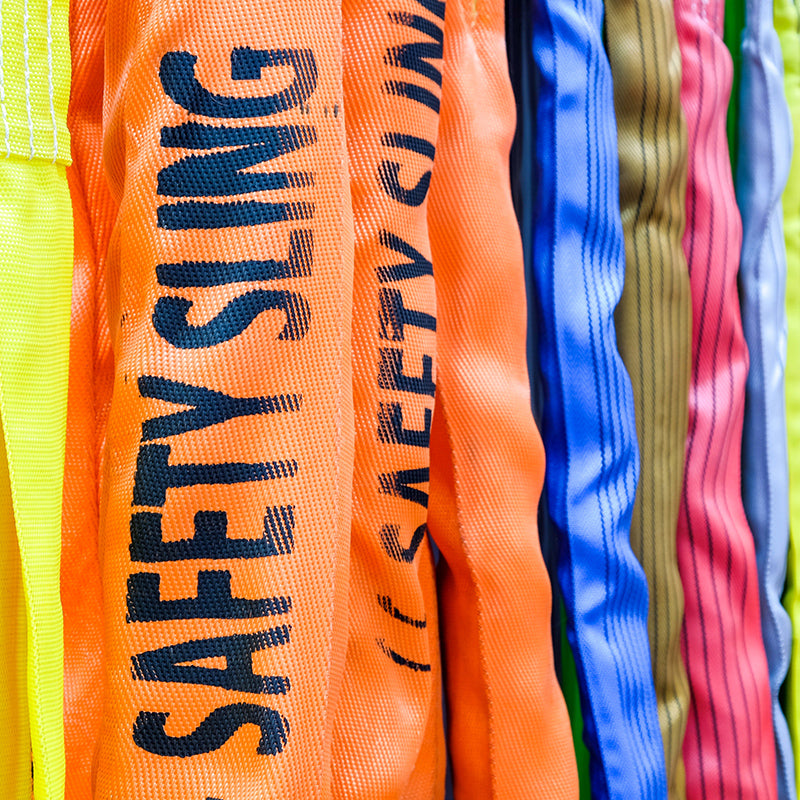
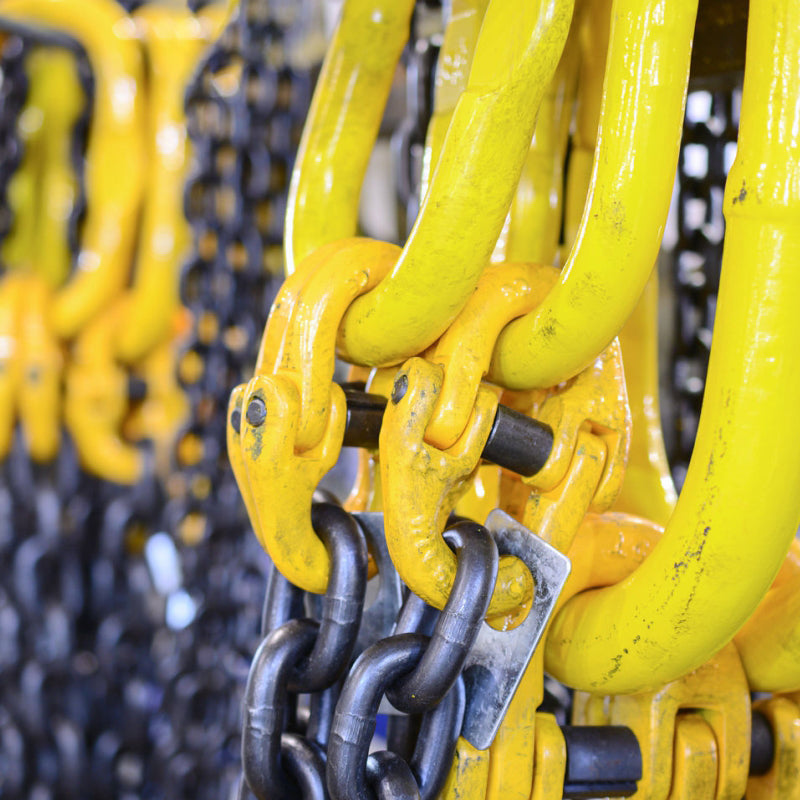
Our certified lifting and towing chains and webbing slings and round slings are tested and certified to the same standards, so you can build a complete rigging setup that meets UK lifting regulations from a single supplier. If your work takes you near water or in exposed outdoor conditions, our range also includes fall protection equipment built to handle the same demanding environments.
Frequently Asked Questions
Are alloy steel shackles stronger than stainless steel shackles?
Yes, for the same body size, alloy steel carries a higher working load limit due to its heat treatment process.
Can stainless steel shackles be used for lifting?
Yes, as long as the item is certified and the load stays within its stamped working load limit.
Do alloy steel shackles rust?
The bare steel can rust once its protective coating wears away, which is why stainless steel is preferred in wet or coastal conditions.
What is the difference between a bow shackle and a dee shackle?
A bow shape handles side and angled loads better, while a dee shape is narrower and designed mainly for straight, in line pulls.
How do I know what load a shackle can safely carry?
Check the working load limit stamped on the body and confirm it against the manufacturer's certification before use.
Conclusion
Alloy steel and stainless steel each have a clear place in lifting and lashing work. Alloy steel gives you the higher working load limit needed for heavy construction, crane rigging, and towing. Stainless steel gives you long term corrosion resistance for marine, coastal, and washdown environments where rust is the bigger risk. Match the material to your load requirement first, then check the environment the equipment will be working in, and you will end up with the right shackle for the job every time.


