


Contents4 sections
The following are the two ways in which you can prevent overloading the lever hoist:
- Identify the load of the weight that you are going to lift and lower.
- Before putting the load on it, learn about the WLL of the hoist.
It is highly important to read about the equipment properly before employing it. Avoiding ignoring safety measures is one thing, but selecting the load-tested lever block from The Ratchet Shop is likewise crucial.
So, through this blog, you will find out all the tips and tricks to appropriately take advantage of the 9000kg lever block.
Calculation of Load Is Necessary
In order to halt the occurrence of unforeseen incidents caused by the overloaded 9000kg lever block, it is vital to check the weight of the load.
Mostly, workers, in case of high demand, or maybe they are not aware of the existence of this step, might become the reason for overburdening the equipment.
Hence, for lever hoist overload safety, the knowledge of cargo weight will let you work peacefully without any tension of mishap.
Tip:
You can examine the weight of the load through a load cell or by calculating the material density and dimensions of the load (length, width, and height).
Comprehension of The Hoist WLL Is Non-Negotiable
It is ideal to read the WLL (Working Load Limit) of the lever block, because putting too much load might become risky when lifting or lowering the load.
Did You Know?
The Ratchet Shop has tested loading more than 1.5 times the WLL, so it implies that the 9000kg lever block has already lifted 13.5 tons of weight, which has a capacity of 9 tons.
However, the overall weight of a load relies upon a pawl braking system, which is situated near the ratchet wheel and is responsible for holding the load in a static position.
If the load is unbearable for the hoist of the lever block, then it will automatically let go of your cargo, and the end result might be risky.
Thus, it has been confirmed that the identification of cargo heaviness is directly proportional to the hoist WLL.
Important Tips While Using Lever Block:
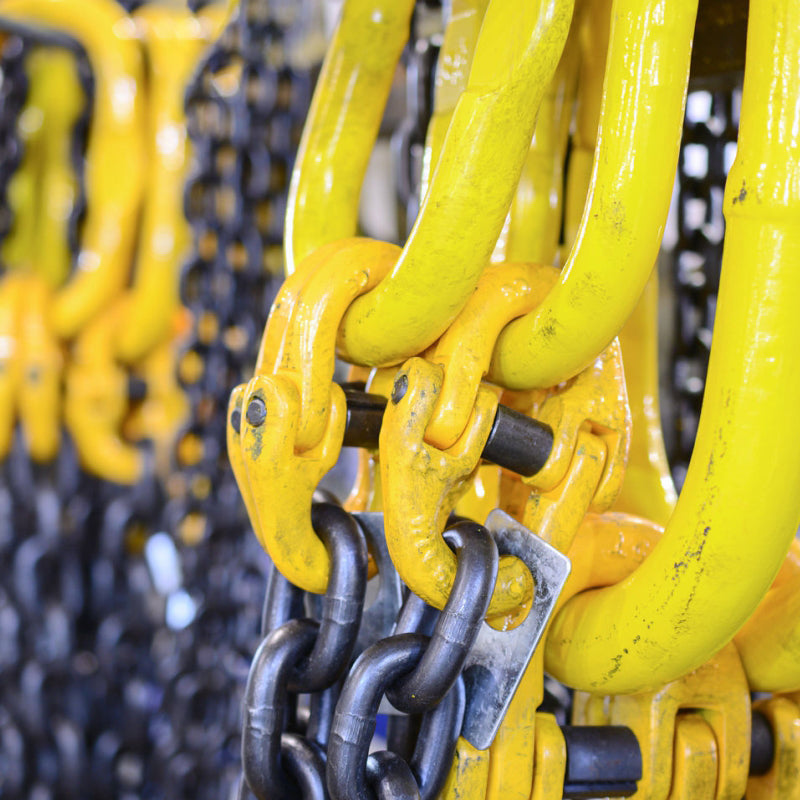
- Regularly observe the hooks and chain of the equipment.
- The load should be lifted vertically, and the angle must not be greater than 60 degrees.
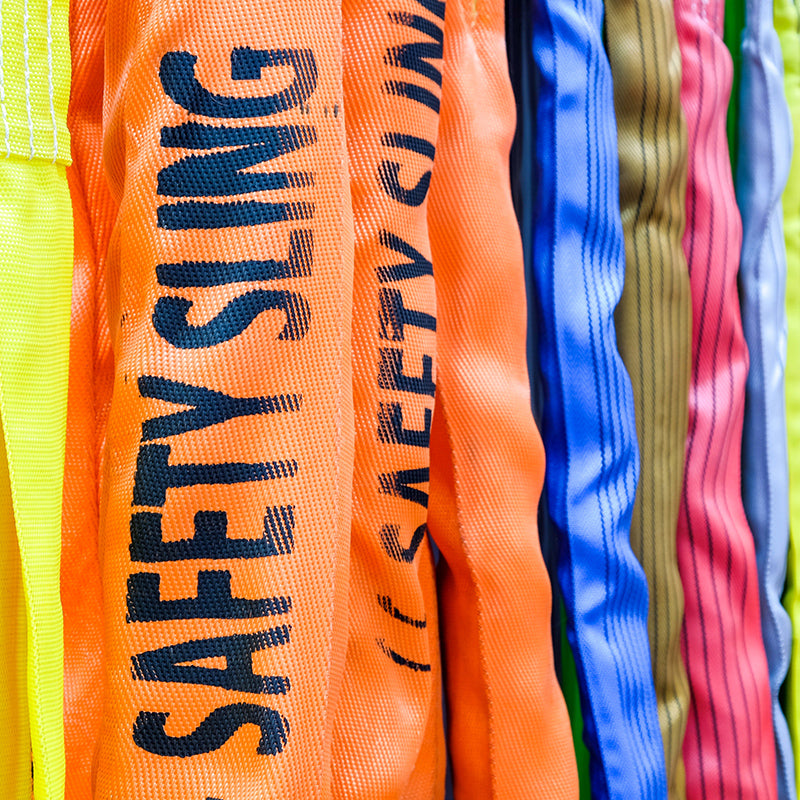
- Use a proper accessory with the lever block, like lifting slings. But keep in mind, while using these slings, be aware of the sharp edges around the load. To be on the safe side, utilise wear pads.
- Avoid wrapping the chain around the load like a choker chain.
- It is not ideal to use an extension pipe or cheater bar because it exerts excessive force on the chain, which might cause the load to be released during lifting.
What are the questions that people have for The Ratchet Shop?
How do I know if my load is too heavy for a 9000kg lever block?
To ensure lever hoist overload safety, you must compare its weight with the Working Load Limit (WLL) of the equipment, which is 9000kg (9 tonnes). You can determine the weight using a load cell or by calculating the material density and the load’s dimensions. Never guess the weight as incorrect estimations are a major cause of overloading.
Why is the Working Load Limit (WLL) so important?
The WLL tells you the maximum weight the lever block can safely lift. Exceeding it puts stress on the hoist and increases the risk of equipment failure. Even though lever blocks are tested beyond their WLL (for example, up to 1.5 times the limit during manufacturing tests), they should never be used above their WLL in real operations.
What happens if I accidentally overload a lever block?
If the load exceeds the lever block’s capacity, the pawl braking system may fail to hold the load. This causes the hoist to release the weight suddenly, posing serious danger to workers and causing damage to equipment or the load itself.
How can I prevent overloading the lever hoist?
You can prevent overloading by:
- Confirming the load weight before lifting
- Checking the lever block’s WLL
- Inspecting the chain and hooks regularly
- Ensuring the load is lifted vertically (angle under 60°)
- Using compatible accessories like proper lifting slings and wear pads
Are there actions I should avoid to keep the lever block from being overloaded?
Yes. Avoid:
- Wrapping the chain directly around the load
- Using the chain as a choker
- Using extension pipes or cheater bars (they create excessive force)
These practices increase tension on the chain and can cause the load to slip or the hoist to fail.
Conclusion
Knowing your load, comprehending the hoist's WLL, and keeping an eye on the state of your equipment are the keys to using a 9000 kg lever block securely. You can prevent overloading the lever hoist while safeguarding your crew and your equipment with the appropriate inspections, attachments, and safe lifting techniques.
Making the extra effort to follow these guidelines will significantly reduce the likelihood of mishaps and maintain control over every lift. So, to buy the equipment that is load tested and has been constructed from a Grade 80 load chain, reach out to The Ratchet Shop.


