


Contents6 sections
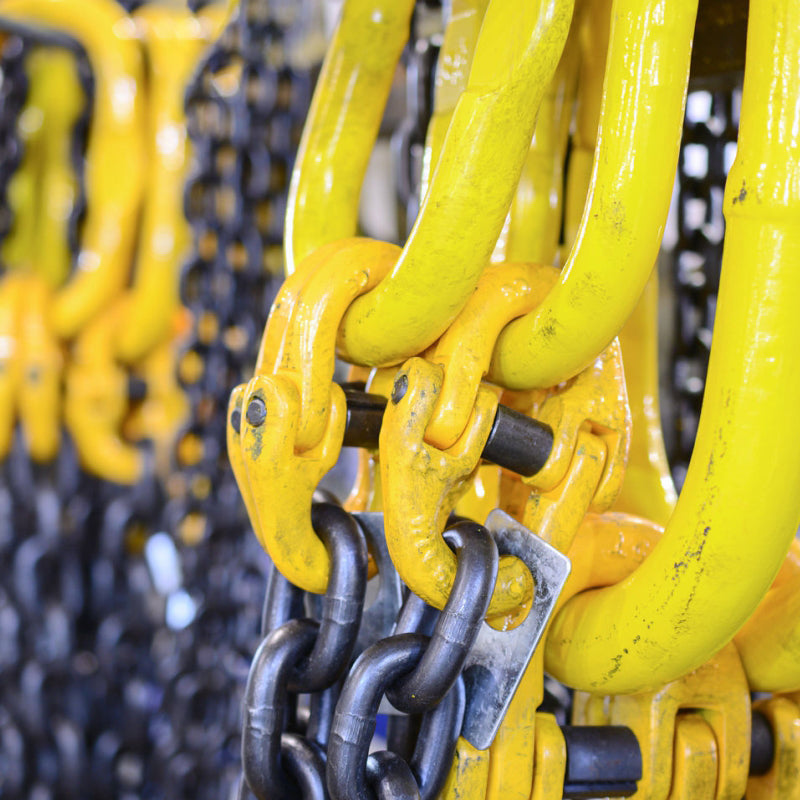
Shackles are metal U-shaped equipment that comes along with a removable pin and are mostly used in lifting, rigging, securing, and towing.
For instance, there is an eyebolt and a turnbuckle. How do you connect these two together? Here comes an important role of shackles. This equipment is used to create connections so that any kind of lifting becomes easy.
Despite their small size, they are strong and capable of supporting weights up to several tons. Lifting shackles in the UK can be used for a variety of purposes because they are available in a variety of shapes and patterns. However, no one can deny that without shackles, heavy maritime operations cannot be successful.
Through this blog, you will fully get the knowledge about shackles and their importance.
What Are Shackles?
A sturdy metal link used in rigging and lifting is called a shackle. A pin that secures the load is typically included, along with a bow or D-shaped body. Workers can simply attach ropes, chains, or slings by removing the pin.
However, shackles are strong enough to hoist big objects without bending or breaking since they are primarily comprised of forged steel. They have a simple look yet work incredibly well.
Types of Shackles in UK Lifting and Rigging
In hoisting and rigging, there are two primary shackle types that are frequently utilised. These are D shackles, also known as dee shackles, and bow shackles. Both types are essential in various contexts, and each has its own advantages and design. Most importantly, you can get both types of shackles at The Ratchet Shop.
The loop of a bow shackle is rounder and broader. When fastening slings or straps that pull from various angles, this shape is helpful since it enables many connections at once. A bow shackle also evenly distributes the load due to its form. In the UK, it is mostly used when load direction flexibility is required, like with multi-leg lifting slings.
In comparison, the design of a D shackle is straight and small. For loads that pull in a straight line, it works well. Compared to a bow shackle of the same size, this kind is smaller, stronger, and capable of supporting heavier loads. Hence, D shackles are frequently used in the UK to hoist equipment in a line without side tugging.
Why Shackles Are Essential in UK Lifting
Shackles are crucial in the lifting industry of the UK because they provide secure and speedy connections. A secure connection between the load and the lifting equipment is necessary for any lifting operation. Lifting shackles save time and effort by enabling workers to attach or remove slings in a matter of seconds.
For Example:
Workers are getting ready to load a cargo container onto a vessel at a busy port in the United Kingdom. Since the container weighs more than 20 tons, no single piece of equipment can manage it by itself. The heavy lifting is done by a crane, but the hook of the crane cannot be fastened straight to the container. Therefore, shackles are useful in this situation.
Four strong corner castings of the container are made to be lifted. To these corners, workers fasten a lifting frame, sometimes referred to as a spreader bar. Bow shackles are used to attach the lifting slings of the spreader bar to the crane hook. However, the sling is firmly fastened to the frame by each shackle. When the container is raised, nothing will slip because the shackles' pins are locked in place.
Role of Shackles in Rigging Applications
Setting up equipment to enable safe lifting is known as rigging. Here, shackles are crucial because they maintain the strength of every link. Shackles serve as the safe link that keeps everything together, whether lifting containers at a port or moving steel beams on a building site.
In rigging, bow shackles are frequently used when the load may shift or change direction. They are flexible due to their spherical shape. Conversely, when the load is stable and straight, dee shackles are recommended. Hence, slings and chains could slip or break under stress without them.
Everyday Use of Shackles
Shackles can be found all around the UK, from building sites to cargo docks. They are employed for loading containers onto ships, moving construction supplies, and lifting machines. Moreover, shackles facilitate the movement of heavy objects with cranes and hoists in warehouses. They are used in the energy sector to install machinery such as pipes and turbines.
What are the questions that people have for The Ratchet Shop?
What is a shackle in lifting and rigging?
A shackle is a strong metal connector used to join lifting equipment like slings, chains, and ropes to a load. It is shaped like a bow or the letter D and secured with a pin. Shackles are essential in the UK because they provide a safe and quick way to connect and move heavy objects.
Why are shackles important for lifting work in the UK?
Shackles are important because they make lifting operations safe and reliable. They can handle very heavy weights, from a few hundred kilograms to several tonnes. In the UK, where strict safety standards apply, shackles ensure that loads are lifted without risk of slipping or breaking.
What is the difference between a bow shackle and a D shackle?
A bow shackle has a wide, rounded loop that allows movement in different directions. It is best for multi-leg slings or loads that shift. A D shackle has a narrow shape and is stronger for straight-line lifting. In the UK, both types are widely used depending on the direction and type of load.
How do I choose the right shackle for lifting?
The right shackle depends on the load weight and how it will be lifted. Always check the working load limit marked on the shackle. For loads that move or pull at angles, a bow shackle is better. For straight, in-line lifts, a D shackle is more suitable. In the UK, workers must follow safety rules when choosing shackles.
Are shackles safe to use for all lifting tasks?
Yes, lifting shackles in the UK are safe when used correctly and within their load limit. In the UK, shackles are made to meet safety standards, but they must be inspected regularly for wear, cracks, or bending. Using the correct type of shackle and keeping it in good condition ensures safe lifting every time.
Conclusion
Despite their small appearance, shackles are effective lifting and rigging equipment in the UK. They maintain the safety of lifting operations, connecting equipment, and transporting heavy loads. Both bow and D shackles have special functions, providing strength or flexibility based on the situation. They are a reliable option in UK businesses due to their longevity and adherence to safety regulations.
Every day, lifting shackles in the UK is facilitated in a variety of industries, including construction, shipping, energy, and warehousing. Therefore, shackles are more than just connectors, to put it briefly. They form the foundation of lifting and rigging in the UK, facilitating safer, quicker, and easier heavy operations.
So, reach out to The Ratchet Shop and order your strong shackles to make your tasks easy.


