


Contents5 sections
It is considered that both terms SWL and WLL are similar, which identifies the capacity every piece of equipment has to lift a load. But there is a slight difference between them.
WILL (Working Load Limit) = A load that is bearable for a gear to handle in the environment in which you are working. But there is a possibility that present conditions, like weather or load movements, might affect the WILL.
SWL (Safe Working Load) = The ability of equipment to raise, lower, and suspend while managing a load in operational conditions. This is always lower than the WLL.
So, through this blog, business owners will understand the comparison of SWL vs WLL, which will assist them in purchasing the appropriate equipment.
The Distinction That Is Creating a Gap Between SWL and WLL
It is not wrong to state that WLL is just a theory; SWL pinpoints that the equipment can lift a load in a practical setting.
Why?
In the SWL and WLL difference, the Working Load Limit is an assumed figure that might vary according to the present situation.
For instance,
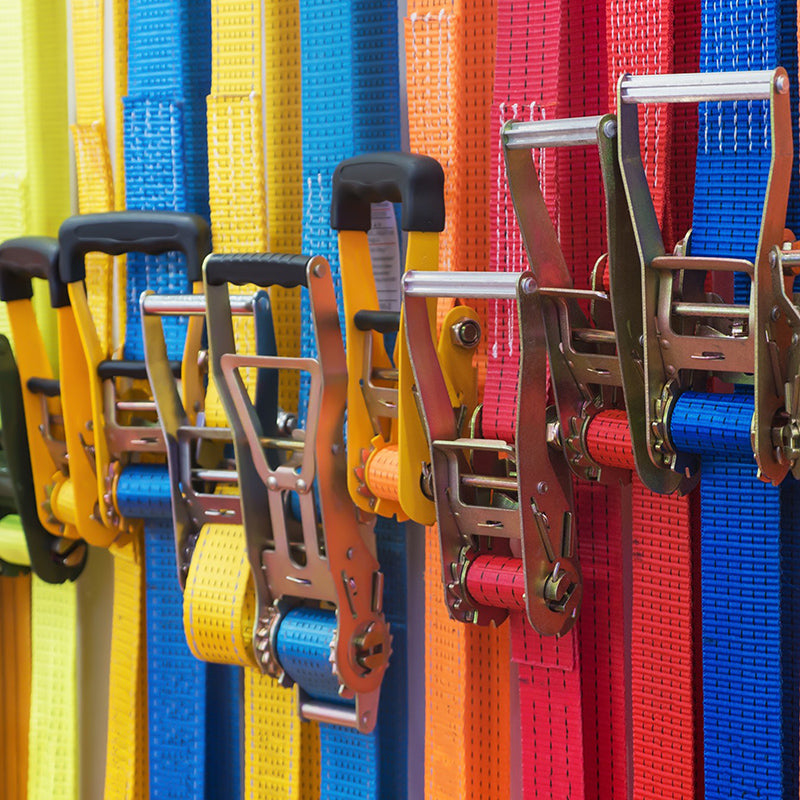
You have selected (13mm-16mm) 1/2"-5/8" Ratchet Load Binder, which has 5900kg WLL. To keep everything smooth while securing heavy materials on trucks, the knowledge of equipment usage and the weather forecast is crucial.
Since WLL is a hypothesis, any mistake in tightening the chain, sudden heavy rain or wind, and immediate jerk during transport might become the reason for a reduction in it.
Hence, among the differences between SWL and WLL, Working Load Limit is a variable figure; instead of relying on it, it is important to take preventive measures by securing a load less than the mentioned load limit.
How To Determine the Effect of Such Conditions on Equipment Rating
Through a dimensionless number, which is called the dynamic amplification factor (DAF), that represents the ratio between dynamic load effects (forces that undergo variations in magnitude and directions with the passage of time) and static load effects.
In simple terms, DAF multiplies the actual weight of the load to find the dynamic load that equipment must handle. Usually, it is bigger than 1, but in some cases, it is close to 1.
The Significance of DAF in the Calculation of SWL
Safe Working Limit (SWL), which is an old terminology, has been replaced with more contemporary ones such as Working Load Limit (WLL) and Rated Capacity (RC).
But SWL can be appropriately calculated by dividing WLL by DAF. So, the answer will be lower than the expected Working Load Limit of the equipment.
Role of Buying Gears from a Reputed Company
For example,
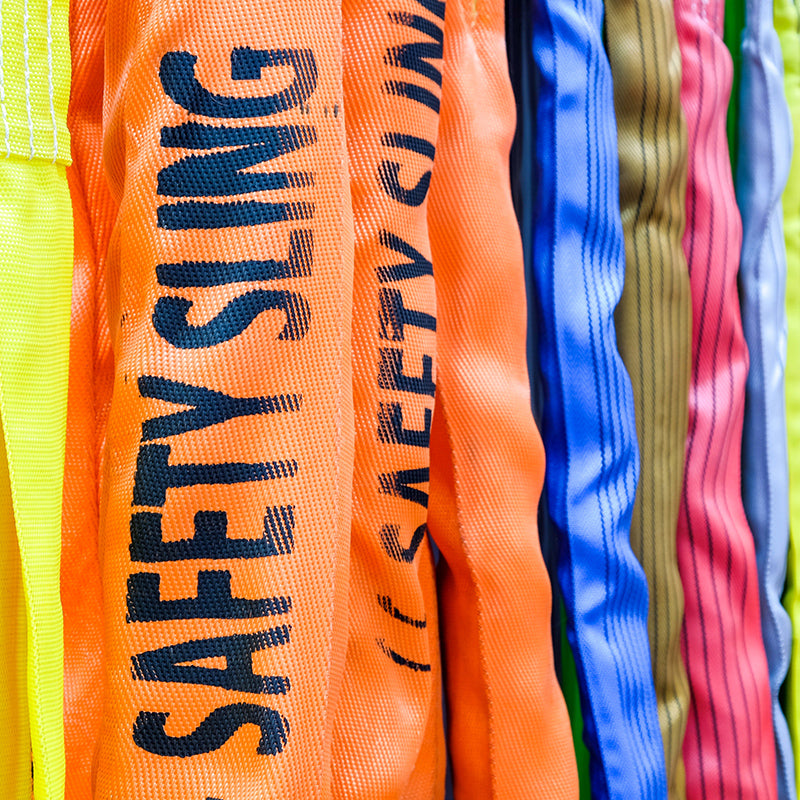
If you select a heavy-weight webbing sling from The Ratchet Shop, then an accurate SWL with breaking load times is mentioned there. However, this will assist businesses in recognising which equipment will be perfect for efficient use in all conditions.
It is highly important to weigh the load before purchasing any equipment. Because while unloading or lifting a load from a crane, due to unexpected shocks, the WLL can be minimised.
What are the questions that people have for The Ratchet Shop?
What is the difference between SWL and WLL?
SWL (Safe Working Load) refers to the load an equipment can safely handle under actual operating conditions, including movement and environmental factors.
WLL (Working Load Limit) is the maximum load a piece of equipment is designed to handle under ideal conditions. SWL is generally lower than WLL because it accounts for real-world risks.
Is SWL always lower than WLL?
Yes. SWL is always lower than WLL because it considers dynamic forces such as sudden movements, weather conditions, and load shifts. These factors can increase stress on equipment beyond static load calculations.
Why do weather and movement affect WLL?
WLL is based on static conditions, but in real applications, loads are rarely stationary. Rain, wind, vibrations, sudden braking, or lifting shocks can increase the effective load on equipment, reducing its safe capacity. This is why relying solely on WLL can be risky.
How is SWL calculated from WLL?
SWL can be calculated by dividing the WLL by the Dynamic Amplification Factor (DAF).
Formula:
SWL = WLL ÷ DAF
Since DAF is usually greater than 1, the resulting SWL is lower and safer for practical use.
Which rating should I rely on when choosing lifting or securing equipment?
You should rely on SWL for real-world applications, especially when loads are lifted, transported, or exposed to changing conditions. Choosing equipment with a higher WLL than your actual load ensures safety, durability, and compliance with best practices.
Conclusion
Selecting the appropriate lifting and load-securing equipment requires an understanding of the comparison of SWL vs WLL. While SWL represents what equipment can safely manage in actual working situations when variables like weather, mobility, and abrupt shocks come into play, WLL offers a theoretical maximum capacity.
Businesses can lower risks and guarantee safer, more dependable operations when handling large loads by taking dynamic forces into account, precisely weighing loads, and buying equipment from credible vendors. So, it is crucial to reach out The Ratchet Shop, which is a well-renowned company in the UK that provides certified and tested fall protection equipment.


